Moving Household Appliances: Washer, Dishwasher & Oven
Transit bolts, drain hoses, gas connections: the practical checklist for moving large household appliances safely to your new European home.
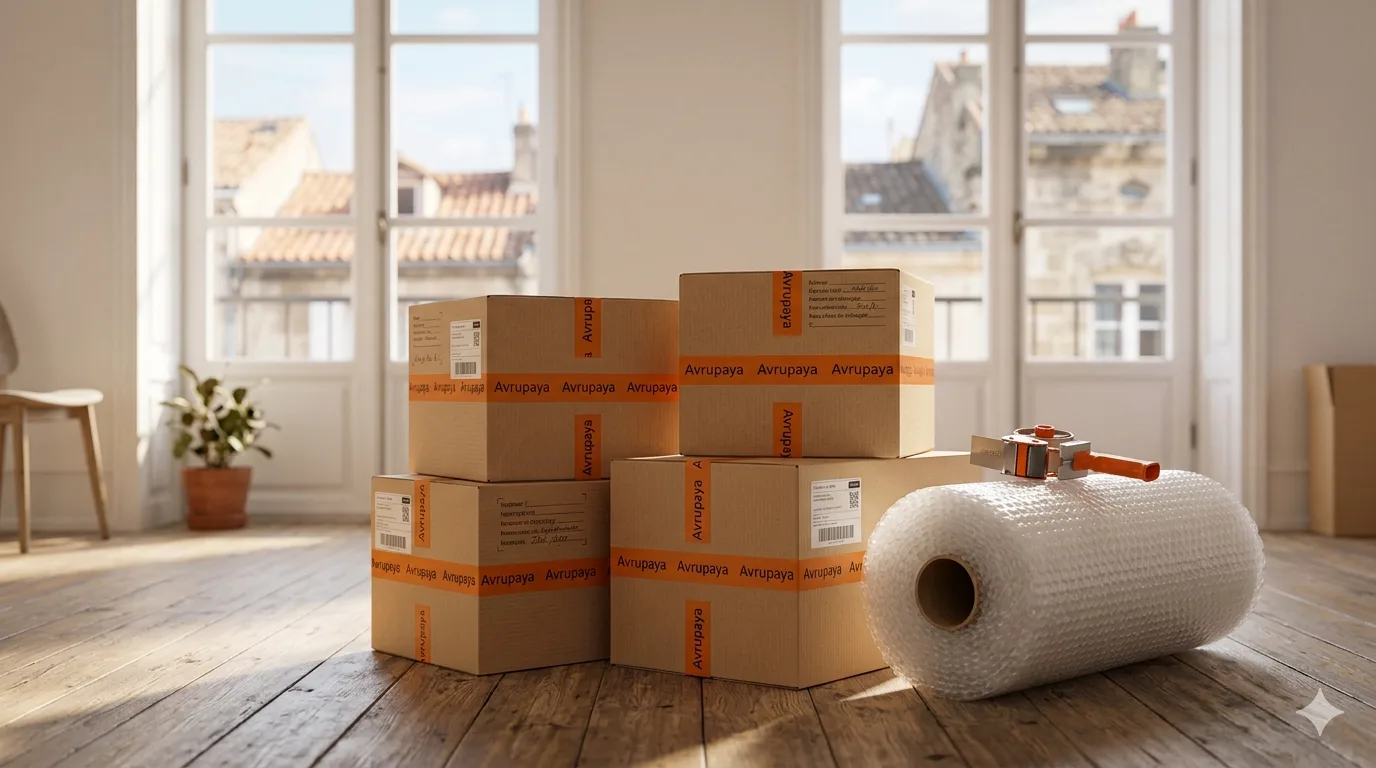
Moving large household appliances across borders is one of the most technically demanding parts of any international relocation. As Avrupaya, a door-to-door moving specialist from Turkey to Europe, we see poorly prepared washing machines and dishwashers cause damage more often than almost any other item. This guide covers every major appliance so yours arrives ready to use.
Washing Machine: Transit Bolts Are Non-Negotiable
The drum is the most vulnerable part of a washing machine during transport. Without the transit bolts fitted, the drum swings freely and can destroy bearings, the drive shaft, and mounting brackets in minutes on a bumpy road. Transit bolts are fitted at the factory and removed during installation — find yours and screw them back in before moving. If you've lost them, contact the manufacturer's service department with your model number.
Getting the Washing Machine Transport-Ready
Once the transit bolts are in, turn off the water supply and disconnect the inlet hose. Remove the drain hose too, and drain any remaining water into a bucket. Wipe down the door seal and secure the door with tape. Bundle all hoses in a plastic bag and tape it to the back of the machine so nothing gets separated.
- Fit the transit bolts (get them from the service centre if needed).
- Disconnect and dry both the inlet and drain hoses.
- Remove or tape shut the detergent drawer.
- Secure the door and porthole with tape.
- Transport upright; if it must be tilted, tilt backward — never forward.
Preparing the Dishwasher
Run a final wash cycle at least 24 hours before moving day, then clean the filter thoroughly. Disconnect the inlet and drain hoses. Tape the door latch shut. The racks can stay inside but tape them so they don't slide. For built-in models, removal and reinstallation usually require a professional — Avrupaya offers a full disconnection and reconnection service.
Ovens and Other Large Appliances
Remove all racks and trays from the oven and pack them separately. Pay special attention to the glass door: wrap it in bubble wrap or foam sheeting. Gas ovens must have their gas supply disconnected by a certified technician before moving — this is non-negotiable and applies equally to built-in gas hobs. Avrupaya can advise on coordinating this with local engineers.
Get a free quoteApply this guide to your move
Share your route and inventory so we can clarify the scope.
Frequently asked questions
Can I move a washing machine without transit bolts?
Strongly not recommended. Without transit bolts the drum swings freely, and even a short journey on an uneven road can destroy the bearings and drive shaft. Contact the manufacturer's service centre with your model number to get the correct bolts.
How many people does it take to move a washing machine?
A washing machine weighs 60–100 kg. You need at least two people and an appliance dolly; four people for stairs. Avrupaya's team handles this with professional equipment.
Do built-in appliances need special handling?
Yes. Built-in appliances must be carefully removed from their housing and all gas or electrical connections must be professionally disconnected. Avrupaya includes disconnection and reconnection as part of our service.
Why does the dishwasher filter need cleaning?
Residue and standing water in the filter can leak during transit and cause unpleasant odours. A clean machine is also much easier to recommission at the destination.
Are appliances insured during an Avrupaya move?
Yes, all items including appliances are covered by 100% insurance. Professional packing, disassembly, and reassembly are also available.